Delhi Sultanate
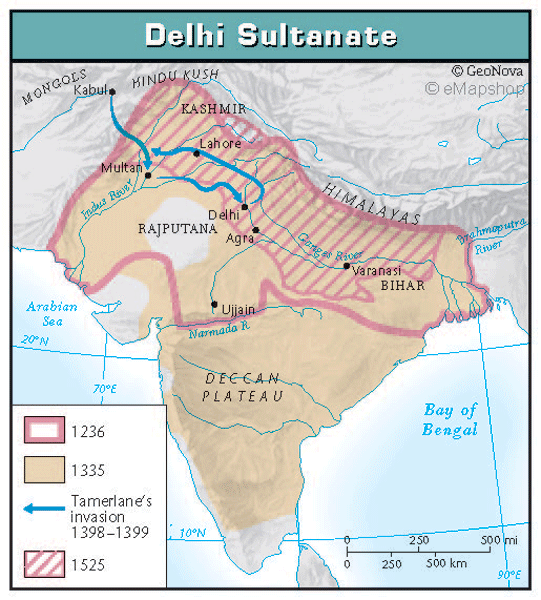
There were Muslim invasions into India resulted in the established from AD 1206 to 1526. There were five dynasties in the Delhi Sultanate, The Slave dynasty, Khalji, Tuglaq, Sayyids and Lodis.
The Delhi Sultanate refers to five Muslim kingdoms or dynasties that ruled over the territory of Delhi between the years 1206 to 1526 CE. In the 16th Century, the last rulers of the Delhi Sultanate were defeated by Mughals, who then laid the foundation of the Mughal Empire in India. Before the Mughal Empire came into existence, the Delhi Sultanate was considered to be the most powerful State in the Northern India. Many government exams include the topic of history in their questions, thus knowing facts about history is important for you to crack these exams. Read this article to know in detail about the Rulers of Delhi Sultanate.
The five dynasties of the Delhi Sultanate include:
- The Mamluk Dynasty (1206-1290)
- The Khilji Dynasty (1290 -1320)
- The Tughlaq Dynasty (1320-1414)
- The Sayyid Dynasty (1414-1451)
- The Afghan Lodi Dynasty (1451-1526)
Let’s find out more about these great dynasties and the Rulers of Delhi Sultanate.
The Mamluk Dynasty (1206-1290)
Here is a list of the Mamluk Rulers of the Delhi Sultanate in this era.
| Ruler | Reign |
| Qutb-ud-din Aibak | 1206–1210 |
| Aram Shah | 1210–1211 |
| Shams-ud-din Iltutmish | 1211–1236 |
| Rukn-ud-din Firuz | 1236 |
| Raziyat-ud-din Sultana | 1236–1240 |
| Muiz-ud-din Bahram | 1240–1242 |
| Ala-ud-din Masud | 1242–1246 |
| Nasir-ud-din Mahmud | 1246–1266 |
| Ghiyas-ud-din Balban | 1266–1286 |
| Muiz-ud-din Qaiqabad | 1286–1290 |
| Kayumars | 1290 |
- Qutb-ud-din Aibak was the first ruler of the Mamluk Dynasty (also called the slave dynasty). He was a generous ruler and ruled over the Sultanate of Delhi for over four years. Qutb-ud-din Aibak laid the foundation of Qutub Minar.
- Another important ruler of the Mamluk Dynasty was Shams-ud-din Iltutmish. He was the son-in-law of Qutb-ud-din Aibak. Shams-ud-din Iltumish was known for the Iqta system of land revenue and the completion of Qutub Minar.
- After Shams-us-din Iltumish, his military trained daughter Raziya Sultan (Raziyat-ud-din Sultana) took over the Sultanate of Delhi. Balban succeded Raziya Sultan, followed by his grandson Qaiqabad (Kaikubad).
- Jalal-ud-din Firuz Khilji aka Malik Firuz killed Qaiqabad and put an end to the Mamluk Dynasty or Slave Dynasty.
The Khilji Dynasty (1290-1320)
Here is the list of Khilji rulers who ruled over Delhi Sultanate in this era.
| Ruler | Reign |
| Jalal-ud-din Firuz Khilji | 1290–1296 |
| Ala-ud-din Khilji | 1296–1316 |
| Qutb-ud-din Mubarak Shah | 1316–1320 |
- Jalal-ud-din Firuz Khilji was also known as the general of slaves and a very smart sultan. He avoided wars with invaders such as Halaku and Ulugh Khan. In fact, he made peace with Ulugh Khan by giving his daughter.
- Jalal-ud-din Firuz Khilji was assassinated by his nephew Ala-ud-din Khilji. He was the first Muslim ruler to be brave enough to cross the Satpuras, Vindhyas and Narmada River to conquer Deccan.
- Ala-ud-din Khilji passed away in the year 1316 and was succeeded by his son Mubarak Shah. Mubarak Shah was killed by Khusru Khan who sat on the throne of Delhi Sultanate for some time. Later, he was killed by Ghiyath-al-din Tughluq, which marked the era of the Tughlaq Dynasty.
The Tughlaq Dynasty (1320–1414)
Here is the list of Tughlaq rulers who ruled over Delhi Sultanate in this era.
| Ruler | Reign |
| Ghiyath-al-din Tughlaq | 1321–1325 |
| Muhammad bin Tughlaq | 1325–1351 |
| Firuz Shah Tughlaq | 1351–1388 |
| Ghiyas-ud-in Tughlaq II | 1388–1389 |
| Abu Bakr Shah | 1389–1390 |
| Nasir ud din Muhammad Shah III | 1390–1393 |
| Ala-ud-Din Sikandar Shah I | 1393 |
| Mahmud Nasir ud din | 1393–1394 |
| Nusrat Shah | 1394–1399 |
| Nasiruddin Mahmud Shah | 1399–1413 |
- The first ruler of the Tughlaq Dynasty was Ghiyath-al-Din Tughlaq, who was also known by the name Ghazi Malik.
- He was succeeded by Muhammad-bin-Tughlaq who was known for his misadventures related to administration and war.
- Muhammad-bin-Tughlaq was succeeded by Firuz Shah Tughlaq who was half Muslim (his mother was a Hindu). He was known to establish cities. Under his reign, cities like Firuzshah Kotla (Delhi), Hisar, Jaunpur (West Bengal), Fatahabad, Firozabad were founded.
- After the demise of Firuz Shah Tughlaq, his successors were killed one by one and the Delhi Sultanate lost its charm and importance.
The Sayyid Dynasty (1414–1451)
Here is the list of Sayyid Rulers of Delhi Sultanate in this era.
| Ruler | Reign |
| Khizr Khan | 1414–1421 |
| Mubarak Shah | 1421–1434 |
| Muhammad Shah | 1434–1445 |
| Alam Shah | 1445–1451 |
- After the Tughlaq Dynasty, Khizr Khan founded the Sayyid Dynasty. He was the governor of Multan and Timur’s deputy in India. Khizr Khan died of illness and was succeeded by his son Mubarak Shah.
- Mubarak Shah had a vision of expanding the empire, but his plans were foiled by opposition and revolts of the nobles. Even with this opposition, Mubarak Shah was an efficient ruler of the Delhi Sultanate.
- After Mubarak Shah, the Delhi Sultanate was ruled by two incompetent rulers – Muhammad Shah and Ala-ud-din Alam Shah thereafter. Ala-ud-din Alam Shah was the last ruler of the Sayyid Dynasty. He gave up the throne voluntarily in favour of Bahlol Lodi.
The Afghan Lodi Dynasty (1451–1526)
Here is the list of Afghan Lodi Rulers of Delhi Sultanate in this era.
| Ruler | Reign |
| Bahlol Lodi | 1451–1489 |
| Sikander Lodi | 1489–1517 |
| Ibrahim Lodi | 1517–1526 |
- The rulers of the Afghan Lodi Dynasty were the last rulers of the Delhi Sultanate. They tried their best to bring Delhi to the past glory, but could not succeed.
- Bahlol Lodi was the first ruler of the Afghan Lodi Dynasty and was succeeded by his son Sikandar Lodi.
- Sikandar Lodi was known for his leadership and thirst for supremacy. He launched campaigns against several kingdoms. In the year 1503, he established the city of Agra. He also transferred his headquarter to Agra due to its strategic location.
- Sikandar Lodi was succeeded by his son Ibrahim Lodi, who was the last of the Sultans of the Delhi Sultanate.
- One of Ibrahim Lodi’s uncles, Daulat Khan Lodi, fled to Kabul and invited Babur to attack India. Taking Daulat Khan Lodi’s advice, Babur attacked Northern India and thus the Afghan Lodi Dynasty came to an end.
दिल्ली सल्तनत
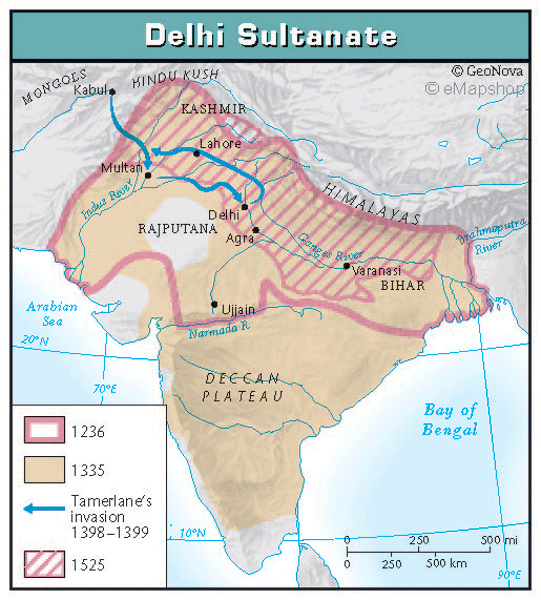
भारत में मुस्लिम आक्रमण हुए, जिसका परिणाम 1206 ई। से 1526 के बीच हुआ। दिल्ली सल्तनत में पाँच राजवंश थे, गुलाम वंश, खिलजी, तुगलक, सैय्यद और लोदी।
दिल्ली सल्तनत पाँच मुस्लिम राज्यों या राजवंशों को संदर्भित करता है जो दिल्ली के क्षेत्र पर 1206 से 1526 ईस्वी के बीच शासन करते थे। 16 वीं शताब्दी में, दिल्ली सल्तनत के अंतिम शासकों को मुगलों ने हराया था, जिन्होंने तब भारत में मुगल साम्राज्य की नींव रखी थी। मुगल साम्राज्य के अस्तित्व में आने से पहले, दिल्ली सल्तनत को उत्तरी भारत में सबसे शक्तिशाली राज्य माना जाता था। कई सरकारी परीक्षाओं में उनके प्रश्नों में इतिहास का विषय शामिल होता है, इस प्रकार इन परीक्षाओं को क्रैक करने के लिए इतिहास के तथ्यों को जानना आपके लिए महत्वपूर्ण है। दिल्ली सल्तनत के शासकों के बारे में विस्तार से जानने के लिए इस लेख को पढ़ें।
दिल्ली सल्तनत के पांच राजवंशों में शामिल हैं:
- मामलुक राजवंश (1206-1290)
- खिलजी वंश (1290 -1320)
- तुगलक वंश (1320-1414)
- सैय्यद राजवंश (1414-1451)
- अफगान लोदी राजवंश (1451-1526)
आइए इन महान राजवंशों और दिल्ली सल्तनत के शासकों के बारे में अधिक जानें।
मामलुक राजवंश-(दास वशं) (1206-1290)
इस युग में दिल्ली सल्तनत के मामलुक शासकों की सूची इस प्रकार है।
| शासक | शासन काल |
| Qutb-ud-din Aibak | 1206–1210 |
| Aram Shah | 1210–1211 |
| Shams-ud-din Iltutmish | 1211–1236 |
| Rukn-ud-din Firuz | 1236 |
| Raziyat-ud-din Sultana | 1236–1240 |
| Muiz-ud-din Bahram | 1240–1242 |
| Ala-ud-din Masud | 1242–1246 |
| Nasir-ud-din Mahmud | 1246–1266 |
| Ghiyas-ud-din Balban | 1266–1286 |
| Muiz-ud-din Qaiqabad | 1286–1290 |
| Kayumars | 1290 |
- कुतुब-उद-दीन ऐबक मामलुक वंश का पहला शासक था (जिसे दास वंश भी कहा जाता है)। वह एक उदार शासक था और उसने दिल्ली की सल्तनत पर चार साल तक शासन किया। कुतुब-उद-दीन ऐबक ने कुतुब मीनार की नींव रखी।
- मामलुक वंश का एक अन्य महत्वपूर्ण शासक शम्स-उद-दीन इल्तुतमिश था । वह कुतुब-उद-दीन ऐबक का दामाद था । शम्स-उद-दीन इल्तुमिश, भू राजस्व की इक्ता प्रणाली और कुतुब मीनार के पूरा होने के लिए जाना जाता था।
- शम्स-उस-दीन इल्तुमिश के बाद, उनकी सैन्य प्रशिक्षित बेटी रजिया सुल्तान (रजियात-उद-दीन सुल्ताना) ने दिल्ली की सल्तनत पर कब्जा कर लिया। बलबन ने रजिया सुल्तान पर मुकदमा चलाया, उसके बाद उसके पोते क़ायकाबाद (कैकुबाद) से।
- जलाल-उद-दीन फ़िरोज़ खिलजी उर्फ मलिक फ़िरोज़ ने क़ायबाबाद को मार डाला और मामलुक वंश या गुलाम वंश का अंत कर दिया।
खिलजी वंश (1290-1320)
यहाँ इस युग में दिल्ली सल्तनत पर शासन करने वाले खिलजी शासकों की सूची दी गई है।
| शासन काल | ||
| Jalal-ud-din Firuz Khilji | 1290–1296 | ||
| Ala-ud-din Khilji | 1296–1316 | ||
| Qutb-ud-din Mubarak Shah | 1316–1320 |
- जलाल-उद-दीन फ़िरोज़ खिलजी को गुलामों के सेनापति और बहुत ही चतुर सुल्तान के रूप में भी जाना जाता था। वह हलाकू और उलुग खान जैसे आक्रमणकारियों के साथ युद्ध से बचता था। वास्तव में, उन्होंने अपनी बेटी को देकर उलूग खान के साथ शांति स्थापित की।
- जलाल-उद-दीन फिरोज खिलजी की हत्या उसके भतीजे अला-उद-दिन खिलजी ने की थी। वह पहला मुस्लिम शासक था जिसने डेक्कन को जीतने के लिए सतपुड़ा, विंध्य और नर्मदा नदी को पार करने के लिए पर्याप्त बहादुर बनाया था।
- अला-उद-दीन खिलजी का वर्ष 1316 में निधन हो गया था और उनके बेटे मुबारक शाह द्वारा उनका उत्तराधिकार किया गया था। मुबारक शाह को खुसरु खान ने मार डाला जो कुछ समय के लिए दिल्ली सल्तनत के सिंहासन पर बैठा। बाद में, वह घियाथ-अल-दीन तुगलक द्वारा मारा गया, जिसने तुगलक वंश के युग को चिह्नित किया।
तुगलक वंश (1320-1414)
यहां तुगलक शासकों की सूची दी गई है जिन्होंने इस युग में दिल्ली सल्तनत पर शासन किया था।
| शासक | शासन काल |
| Ghiyath-al-din Tughlaq | 1321–1325 |
| Muhammad bin Tughlaq | 1325–1351 |
| Firuz Shah Tughlaq | 1351–1388 |
| Ghiyas-ud-in Tughlaq II | 1388–1389 |
| Abu Bakr Shah | 1389–1390 |
| Nasir ud din Muhammad Shah III | 1390–1393 |
| Ala-ud-Din Sikandar Shah I | 1393 |
| Mahmud Nasir ud din | 1393–1394 |
| Nusrat Shah | 1394–1399 |
| Nasiruddin Mahmud Shah | 1399–1413 |
- तुगलक वंश के पहले राजा Ghiyath-अल-दीन तुगलक था , जो भी नाम गाजी मलिक से जाना जाता था।
- वह मुहम्मद-बिन-तुगलक द्वारा सफल हुआ था जो प्रशासन और युद्ध से संबंधित अपने गलत कामों के लिए जाना जाता था।
- मुहम्मद-बिन-तुगलक को फिरोज शाह तुगलक ने आधा मुसलमान बनाया (उसकी माँ एक हिंदू थी)। वह शहरों की स्थापना के लिए जाने जाते थे। उनके शासन में, फ़िरोज़शाह कोटला (दिल्ली), हिसार, जौनपुर (पश्चिम बंगाल), फ़तहाबाद, फ़िरोज़ाबाद जैसे शहरों की स्थापना हुई।
- फिरोज शाह तुगलक के निधन के बाद, उसके उत्तराधिकारी एक-एक करके मारे गए और दिल्ली सल्तनत ने अपना आकर्षण और महत्व खो दिया।
सैय्यद राजवंश (1414-1451)
इस युग में दिल्ली सल्तनत के सैय्यद शासकों की सूची इस प्रकार है।
| शासक | शासन काल |
| Khizr Khan | 1414–1421 |
| Mubarak Shah | 1421–1434 |
| Muhammad Shah | 1434–1445 |
| Alam Shah | 1445–1451 |
- तुगलक वंश के बाद, खिज्र खान ने सैय्यद राजवंश की स्थापना की। वह भारत में मुल्तान और तैमूर के डिप्टी गवर्नर थे । खिज्र खान की बीमारी से मृत्यु हो गई और उनके बेटे मुबारक शाह ने उनका उत्तराधिकार किया।
- मुबारक शाह के पास साम्राज्य के विस्तार की एक दृष्टि थी, लेकिन उनकी योजनाओं को विपक्षियों और रईसों के विद्रोह ने नाकाम कर दिया था। इस विरोध के साथ भी, मुबारक शाह दिल्ली सल्तनत का एक कुशल शासक था।
- मुबारक शाह के बाद, दिल्ली सल्तनत पर दो अक्षम शासकों - मुहम्मद शाह और अलाउद्दीन आलम शाह का शासन था। अलाउद्दीन आलम शाह सैय्यद राजवंश का अंतिम शासक था। उन्होंने बहलोल लोदी के पक्ष में स्वेच्छा से सिंहासन त्याग दिया।
अफगान लोदी राजवंश (1451-1526)
इस युग में दिल्ली सल्तनत के अफगान लोदी शासकों की सूची इस प्रकार है।
| शासक | शासन काल |
| Bahlol Lodi | 1451–1489 |
| Sikander Lodi | 1489–1517 |
| Ibrahim Lodi | 1517–1526 |
- अफगान लोदी राजवंश के शासक दिल्ली सल्तनत के अंतिम शासक थे। उन्होंने दिल्ली को अतीत के गौरव तक पहुंचाने की पूरी कोशिश की, लेकिन सफल नहीं हो सके।
- बहलोल लोदी अफगान लोदी राजवंश के पहले शासक थे और उनके बेटे सिकंदर लोदी द्वारा सफल हुए थे।
- सिकंदर लोदी अपने नेतृत्व और वर्चस्व की प्यास के लिए जाने जाते थे। उन्होंने कई राज्यों के खिलाफ अभियान चलाया। 1503 में, उन्होंने आगरा शहर की स्थापना की। उसने अपने रणनीतिक स्थान के कारण अपना मुख्यालय आगरा स्थानांतरित कर दिया।
- सिकंदर लोदी को उनके बेटे इब्राहिम लोदी ने सफल किया, जो दिल्ली सल्तनत के सुल्तानों में अंतिम थे।
- इब्राहिम लोदी के चाचाओं में से एक, दौलत खान लोदी, काबुल भाग गए और बाबर को भारत पर हमला करने के लिए आमंत्रित किया। दौलत खान लोदी की सलाह लेते हुए, बाबर ने उत्तरी भारत पर हमला किया और इस तरह अफगान लोदी राजवंश का अंत हो गया।


Comments
Post a Comment